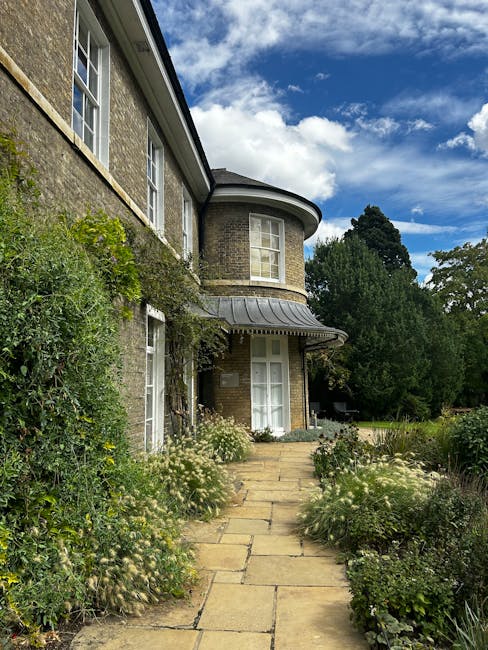
Gardeners serving Cator Estate gardens in Blackheath
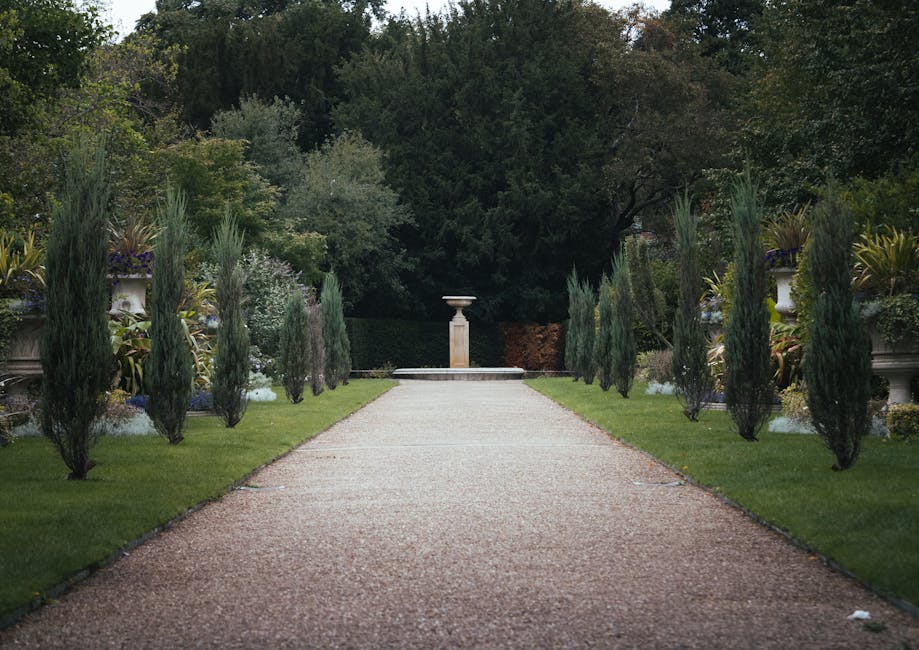
If you look after a garden in Cator Estate, you already know it is rarely just "a bit of grass and a few shrubs". These gardens often need careful, consistent attention: tidy lines, healthy planting, sensible pruning, and work that respects the character of the area. Gardeners serving Cator Estate gardens in Blackheath need to understand that balance. Not every border wants the same treatment, and not every lawn forgives a rushed mow on a damp morning. Truth be told, the best results usually come from steady, thoughtful maintenance rather than dramatic interventions.
This guide explains what good local gardening support looks like, how it works in practice, when it makes sense to bring in help, and what to watch out for. You will also find a checklist, a simple comparison of maintenance approaches, and practical tips for keeping your outdoor space looking cared for without turning it into a second full-time job.
Why Gardeners serving Cator Estate gardens in Blackheath Matters
Cator Estate has a particular feel to it. The streets, front gardens, hedges, boundaries, and shared views all contribute to that sense of order and calm people tend to value in Blackheath. A well-kept garden here does more than "look nice"; it supports the overall appearance of the property, helps planting settle properly, and prevents small issues from becoming awkward, expensive ones later. A hedge left too long, for example, can quickly block light, crowd a path, or start to look messy from the street. And once one thing slips, everything else seems to follow. Gardens have a way of doing that, don't they?
Professional gardeners in this part of London are useful because they bring consistency. That matters in a place where many gardens sit close to pavement lines, neighbours' boundaries, and mature planting that has taken years to establish. Care needs to be neat, not aggressive. Thoughtful, not overdone. A good gardener should understand seasonal pressure points, the rhythm of growth in a sheltered urban setting, and the practical reality that many homeowners simply do not have the time or tools to stay on top of everything.
There is also a trust element. When someone is working regularly in or around your property, you want clear communication, punctual visits, safe working habits, and no surprises. That is especially true if you are arranging ongoing garden maintenance or one-off garden clearance. You need to know what will be done, what will be left, and how the garden will be treated. Simple enough in theory. In practice, it makes all the difference.
How Gardeners serving Cator Estate gardens in Blackheath Works
In most cases, the process starts with a site visit or a detailed conversation about the garden's current condition. A gardener will usually look at lawn health, hedge growth, border condition, access, drainage concerns, tree safety, and any areas that need immediate attention. If the garden is part of a larger property or has a strong design style, they may also consider how existing plants and hard landscaping work together. It is a bit like tuning an instrument rather than replacing it. Small adjustments, done properly, can make a huge difference.
From there, the work usually falls into one of three broad patterns:
- Routine maintenance - mowing, edging, weeding, deadheading, pruning, feeding, and general tidying.
- Seasonal work - spring tidy-ups, autumn leaf clearance, planting refreshes, and preparation for winter or summer growth.
- Specialist tasks - hedge trimming, tree work, garden clearance, or landscape improvements when the garden needs more than ongoing upkeep.
Most gardens in and around Cator Estate benefit from a recurring schedule rather than a one-off "big clean". The reason is simple: gardens are living systems. Leave them too long and you end up cutting back too hard, disturbing healthy growth, or spending far more time getting things back to a manageable state. Regular attention is usually gentler, cheaper in the long run, and much less stressful for everyone involved.
A good service will also keep an eye on practical details that get missed in rushed work: blocked corners where weeds seed quickly, damp patches in shade, overextended shrubs near paths, and lawn edges that fray if they are ignored. Those are the little things that separate tidy from truly well maintained.
Key Benefits and Practical Advantages
The strongest benefit is obvious: the garden looks better. But that is only the start.
- Better plant health: Proper pruning, watering advice, and seasonal feeding can help plants recover and grow more evenly.
- Safer access: Clear paths, controlled hedges, and reduced trip hazards make the garden easier to use.
- Less long-term damage: Regular care helps prevent shrubs from becoming woody, lawns from thinning, and weeds from taking over.
- Stronger kerb appeal: In a neat residential setting like Blackheath, the front garden often says a lot before anyone steps inside.
- Time saved: You do not have to give up your Saturday to the mower, the trimmer, and a bag full of green waste.
- More predictable costs: Ongoing upkeep usually reduces the need for expensive catch-up jobs later.
There is also a quieter benefit that people do not always mention: peace of mind. A garden that is under control feels easier to live with. You can open the door, hear the birds, notice the light, and actually enjoy the space instead of seeing a list of chores. Small thing? Maybe. But it matters.
For landlords, managing agents, or homeowners who are often away, the practical advantage is even clearer. Regular maintenance prevents the "we should sort that soon" problem that somehow turns into a major task six weeks later. We have all seen that happen. Once a border goes wild, it is rarely charming for long.
Who This Is For and When It Makes Sense
Gardeners serving Cator Estate gardens in Blackheath are a good fit for a wide range of property owners and residents, but especially for people who want a garden to stay consistently tidy rather than only looking good after a big effort.
- Busy homeowners who want a reliable, regular service and do not want to manage every little task themselves.
- Older residents who may still enjoy the garden but prefer to avoid heavy lifting, ladder work, or repetitive maintenance.
- Landlords and property managers who need gardens to remain presentable between tenancies or inspections.
- Families who need the outdoor space to be safe, usable, and easy to enjoy.
- Garden enthusiasts who want support with the tougher jobs while keeping creative control over planting and style.
It also makes sense after a period of neglect, following building work, or when a garden has become too large for occasional DIY maintenance. Sometimes people start with good intentions, then life gets busy, then a couple of seasons pass, and suddenly the shrubs are having a bit of a revolt. No judgement there. It happens.
If your garden includes mature trees, complex hedging, layered borders, or a lawn that needs more than a quick cut, professional help can prevent the sort of damage that only becomes obvious months later. That is where experience earns its keep.
Step-by-Step Guidance
If you are thinking about hiring gardeners for a Cator Estate garden, a sensible process helps avoid confusion and wasted money. Here is a practical way to approach it.
- Assess the garden honestly. Walk around and note what needs doing now, what can wait, and what is causing the most frustration. Be specific: lawn patchiness, hedge overgrowth, weeds in gravel, patio staining, or unclear borders.
- Decide what outcome you want. Are you looking for weekly maintenance, a spring reset, or help with a redesign? The answer changes the type of service you need.
- Check access and constraints. Think about parking, side access, lockable gates, water supply, and any delicate areas that need care around children, pets, or neighbours' boundaries.
- Ask for a clear scope. Good garden work should be described plainly. Which tasks are included? What is excluded? Will waste be removed? Will clippings be bagged or composted on site?
- Set the schedule. Some gardens benefit from weekly or fortnightly visits in the growing season and less frequent visits in winter. Others need a more seasonal rhythm.
- Review the first visit. After the initial work, look at the finish. Is the edging crisp? Are cuttings cleared? Were any plants handled too hard? A proper first visit tells you a lot.
- Adjust the plan. A good gardener should be open to refinement. Maybe the lawn needs more frequent cuts in May, or the hedges need a lighter touch than expected. That is normal.
If you are also looking at broader improvements, it can help to separate maintenance from renovation. The line between the two gets blurry very quickly. One minute it is a tidy-up, next thing you know someone is suggesting new borders, new levels, and a complete rethink of the back garden. That may be right, but it should be a deliberate choice.
Expert Tips for Better Results
Small decisions make a big difference in gardens like these. A few practical habits go a long way.
- Cut less, but cut regularly. With lawns and hedges, lighter and more frequent work usually looks better than a severe trim after a long gap.
- Watch the season, not just the calendar. Spring growth can move fast, while shade and damp in late autumn change what needs attention.
- Protect the edges. Borders, paving joints, and lawn margins are often the first places to look tired. Keeping those crisp instantly lifts the whole space.
- Work with the garden's light. Some spots in Blackheath gardens get a lovely morning glow; others stay shaded and moist. Plant choice and maintenance should reflect that reality.
- Keep a simple record. Even a quick note on what was pruned, fed, or replaced helps avoid guesswork later.
One underrated tip: leave room for recovery. After any substantial prune or clearance, let the garden settle before pushing more change. Plants are not machines. They take their time, and fair enough too.
If you are deciding between a general tidy-up and a more structured maintenance plan, look at the garden's weakest area first. Is it the lawn? The hedge line? The beds? Start there. Fixing the most visible problem often changes the whole feel of the space.
Common Mistakes to Avoid
Even well-meaning garden care can go sideways. These are the mistakes that come up again and again.
- Over-pruning shrubs and hedges. Cutting too hard can leave bare patches or stress the plant for months.
- Ignoring drainage and compaction. If a corner stays soggy, planting replacements may fail for the same reason the originals did.
- Letting weeds seed freely. A small problem in spring becomes a much bigger job by midsummer.
- Using the wrong mower height. Too low, and the lawn becomes thin and patchy; too high, and it can look untidy and uneven.
- Forgetting the aftercare. Pruning, feeding, and watering after the work matter nearly as much as the work itself.
- Hiring on price alone. Cheap gardening can end up expensive if the finish is poor or plants are damaged.
A subtle but common issue is inconsistency. A garden that is beautifully done one month and ignored the next often looks worse than one maintained at a modest, steady standard. The eye notices gaps. People do too.
Another one, and this sounds obvious until it happens: do not ask for "just a quick tidy" if what you actually need is clearance, pruning, lawn recovery, and a reset of the whole layout. It saves nobody time to pretend otherwise.
Tools, Resources and Recommendations
The best gardeners bring the right tools for the job, but it helps to know what those tools are doing and why they matter. In a Cator Estate garden, a practical kit often includes the following.
- Lawn mower and edging tools: For clean finishes, especially where lawns meet paths or borders.
- Secateurs and loppers: For accurate pruning without crushing stems.
- Hedge trimmer: Useful for shaping hedges evenly, though hand-finished edges often look better on detailed work.
- Weeding tools: Better than spraying everything in sight, especially around mixed planting.
- Rakes and clearing equipment: Helpful for leaves, moss, and general seasonal debris.
- Green waste bags or collection systems: Because nobody enjoys the sight of cuttings sitting around for days.
For broader services, some gardens may also benefit from support such as garden maintenance, hedge trimming, or lawn mowing. If the space has become overgrown or cluttered after building work or a long gap between visits, garden clearance can be the more realistic starting point. For larger changes, landscaping or landscape gardening may be worth discussing.
It is also worth asking how waste is handled. Responsible green waste removal and sensible recycling practices are part of good service, not an extra flourish. If you care about sustainability, you may want to understand the approach to composting, recycling, and material reuse before work starts. A tidy garden is good; a tidy garden with less waste going to landfill is better.
Law, Compliance, Standards, or Best Practice
Garden work in the UK is not as heavily regulated as some trades, but there are still sensible standards that matter. Safe use of tools, proper handling of ladders and machinery, care around neighbours' property, and the secure disposal of waste all fall under basic professional practice. If tree work is involved, it should be approached carefully, because trees can be subject to planning protections or other restrictions depending on location and status. That is one of those "check before you cut" situations.
Good practice also includes insurance and safety awareness. A gardener should be able to work without putting people, pets, buildings, or themselves at unnecessary risk. That may sound plain, but it is a genuine mark of professionalism. In a residential setting, especially in a place like Blackheath where many gardens sit close together, safe access and respectful work habits matter a lot.
It is also wise to expect clear terms around payment, cancellations, and service scope. That is not bureaucracy for its own sake. It prevents misunderstandings and helps the relationship stay straightforward. If you want reassurance on those points, pages such as insurance and safety, health and safety policy, and terms and conditions can be useful reading before you book anything.
There is a simple rule here: if a garden job involves risk, access problems, or significant cutting back, it should be planned properly. No drama needed. Just care.
Options, Methods, or Comparison Table
Different gardens need different levels of support. This comparison can help you decide what is sensible for your situation.
| Approach | Best for | What it includes | Main advantage | Watch out for |
|---|---|---|---|---|
| Light regular maintenance | Gardens already in decent order | Mowing, edging, weeding, tidy borders, basic pruning | Keeps the garden looking consistently neat | Can miss deeper issues if not reviewed seasonally |
| Seasonal visits | Owners who can do some work themselves | Spring and autumn tidy-ups, pruning, leaf removal, planting refresh | Good balance of cost and upkeep | Garden may drift between visits if growth is fast |
| Reset or clearance | Overgrown or neglected gardens | Heavy clearing, cut-back, waste removal, re-establishing structure | Turns a difficult space back into a manageable one | Usually a bigger job than people expect |
| Design-led landscaping | Gardens needing a new layout or function | Structural changes, planting plans, surface changes, new features | Improves how the garden looks and works long term | Needs more planning and a clearer budget |
For many properties, the best answer is not one of these in isolation but a blend. A garden might need regular maintenance most of the year, with one annual tidy or a small landscaping intervention to keep things on track. That mix is often the sweet spot.
Case Study or Real-World Example
Take a typical Blackheath family garden with a small lawn, mature shrubs along the fence, a few stubborn weeds in the paving, and hedges that have drifted a little wider than anyone intended. Nothing dramatic, just a garden that has quietly got ahead of itself through a busy spring.
The first visit focuses on restraint and order. The lawn is cut at the right height, edges are reset, weeds are removed from the paving, and the hedge line is brought back to a cleaner shape without stripping it bare. The shrubs are thinned just enough to improve light and air movement. Fallen leaves, old stems, and cuttings are cleared away properly rather than left in a heap "for later".
Two things usually stand out after that. First, the space feels bigger. Not because anything magical happened, but because the boundaries are visible again. Second, the maintenance becomes easier. Once the garden has structure, you can keep it that way with smaller, calmer visits. The whole place breathes a little.
That kind of result is common in gardens that were never badly designed, only neglected for a while. It is a good reminder that you do not always need a complete overhaul. Sometimes you just need someone to get the place back under control and then keep it there.
Practical Checklist
Use this checklist if you are planning garden work in Cator Estate and want to brief a gardener clearly.
- Walk the garden and note the priority jobs.
- Decide whether you need maintenance, clearance, or a larger redesign.
- Check access points, parking, and gate arrangements.
- Identify sensitive areas: wildlife, pets, new planting, fragile paving, or neighbours' boundaries.
- Ask what waste removal includes.
- Confirm how often visits should happen in the growing season.
- Ask how hedges, shrubs, and lawn edges will be handled.
- Check whether the gardener carries suitable insurance and follows safe work practices.
- Discuss any trees or larger structural work in advance.
- After the first visit, review the finish before setting the next one.
Quick summary: if the garden looks tired, start with structure first and detail second. In most cases, that gives the best result and keeps the maintenance realistic over time.
If you are ready to improve the look and feel of your outdoor space, it helps to speak with a team that understands local gardens, seasonal growth, and the standards expected in Blackheath. You can explore the wider range of services through the services overview, or review the company background on the about us page before taking the next step.
Get a free quote today and see how much you can save.
Conclusion
Gardeners serving Cator Estate gardens in Blackheath are most valuable when they bring reliability, judgement, and a respectful eye for detail. The best work is not flashy. It is steady, seasonal, and adapted to the actual shape of the garden in front of them. That might mean regular mowing and hedge trimming for one home, a clearance and reset for another, or a longer-term maintenance plan that keeps a mature garden looking calm instead of crowded.
To be fair, most people do not need perfection. They need a garden that feels manageable, welcoming, and looked after. If that is what you are after, the right support can make a very noticeable difference. And once the place is back in shape, keeping it that way becomes much easier. Which is exactly how it should be.
A good garden has a way of giving back what you put into it. Small care, repeated well, and the space responds.
Frequently Asked Questions
What do gardeners serving Cator Estate gardens in Blackheath usually do?
They typically handle lawn care, hedge trimming, weeding, pruning, seasonal tidy-ups, planting support, and general garden maintenance. Some also provide clearance or larger landscaping work if the garden needs a bigger reset.
How often should a Cator Estate garden be maintained?
It depends on the size of the garden and how fast things grow, but many residential gardens benefit from regular visits in spring and summer, then reduced frequency in the colder months. A little and often usually works better than occasional heavy work.
Is garden clearance different from regular maintenance?
Yes. Garden clearance is usually for overgrown, cluttered, or neglected spaces that need a more intensive cut-back and tidy-up. Maintenance is the ongoing care that keeps an already reasonable garden in good shape.
Can gardeners help if my hedge has got out of control?
Yes, hedge trimming is a common request. The key is to avoid cutting too hard in one go unless the hedge genuinely needs it and the timing is appropriate. A careful trim is usually better for long-term shape and health.
What should I ask before booking a gardener?
Ask what is included, how waste is handled, whether the work is one-off or ongoing, and whether they have suitable insurance and safety practices. It also helps to explain what you want the garden to feel like, not just what you want removed.
How do I know if I need landscaping rather than maintenance?
If the garden has a layout problem, drainage issue, worn surfaces, or you want a meaningful change in structure or use, landscaping may be the better route. If the garden mainly needs tidying and upkeep, maintenance is likely enough.
Do I need to be home while the work is done?
Not always, but it depends on access, communication preferences, and the type of job. Many people prefer to arrange the first visit in person and then decide whether future visits can happen while they are out.
What happens to the green waste?
That depends on the service agreement. Some gardeners remove it from site, while others compost or recycle it where appropriate. It is worth confirming this early so there are no surprises at the end of the job.
Can a gardener improve a garden without redesigning it completely?
Absolutely. In many cases, the biggest improvement comes from better maintenance, cleaner edges, healthier pruning, and more regular attention. You do not always need a full redesign to make the space feel transformed.
Are there any safety issues I should think about?
Yes. Access, trip hazards, tool use, ladders, and tree work all need sensible handling. If you have pets or children, or the garden has awkward boundaries, let the gardener know so the work can be planned safely.
What is the best time of year to start garden work?
There is rarely a bad time to start, but spring and early autumn are often ideal for tidying, planting, and getting structure back in place. That said, if the garden needs attention now, waiting for the "perfect" season usually just lets the problem grow.
Can I combine mowing, hedge trimming, and garden maintenance in one visit?
Usually, yes. In fact, combining tasks often makes sense because the garden is assessed as a whole rather than in isolated parts. It can be a more efficient and more coherent way to keep everything looking tidy.
How do I choose a gardener I can trust?
Look for clear communication, a practical approach, sensible insurance and safety awareness, and a willingness to explain what they will do. Trust is built in the small things: showing up on time, doing the work properly, and leaving the place cleaner than they found it.