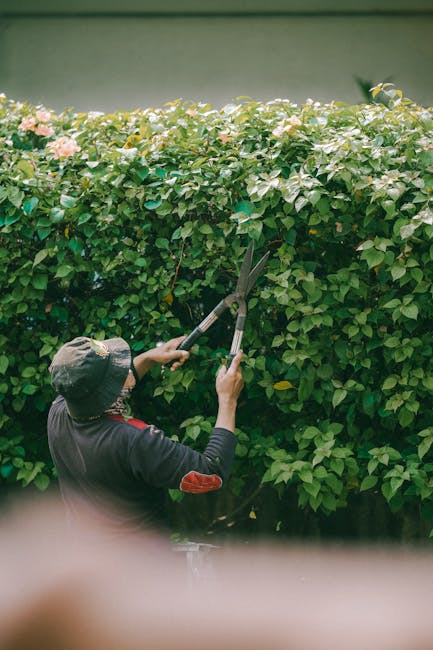
Gardeners Blackheath Village top maintenance tips for SE3
If your garden in Blackheath Village is starting to feel a little tired, overgrown, or just hard to keep on top of, you are not alone. SE3 gardens can be a lovely mix of compact town plots, leafy front spaces, mature borders, and those slightly awkward corners where weeds seem to appear overnight. The good news is that a smart maintenance routine makes a huge difference. This guide to Gardeners Blackheath Village top maintenance tips for SE3 is designed to help you keep things healthy, tidy, and manageable without turning every weekend into a full-time job.
Whether you want to improve kerb appeal, protect planting through the seasons, or simply stop the lawn from looking patchy by Tuesday, the basics are surprisingly effective. A few well-timed cuts, the right feeding schedule, and some thoughtful pruning can save you a lot of hassle later. Truth be told, most gardens do not need complicated tricks. They need consistency, a decent eye, and a bit of local know-how.
In this article, you will find practical guidance on maintenance routines, common mistakes, tools that actually help, and the standards worth keeping in mind if you are hiring support. You will also find a realistic example, a checklist, and answers to common questions people ask before booking garden care in SE3.
Why Gardeners Blackheath Village top maintenance tips for SE3 Matters
Garden maintenance is not just about making things look neat for a weekend. In Blackheath Village and the wider SE3 area, regular upkeep protects the structure of the garden itself. Lawns compact, shrubs become leggy, beds fill with opportunistic weeds, and small drainage issues can quietly become bigger ones. A garden that is left for too long often becomes more expensive and time-consuming to restore than to maintain.
That matters here because local gardens face a few familiar pressures. Older properties often have established trees and shaded boundaries. Some plots get plenty of wind across open spaces, while others sit in sheltered pockets that encourage moss, damp, and rapid growth. If you have ever stepped outside on a mild April morning and found the grass suddenly two inches longer than expected, you will know the feeling.
Maintenance also affects how usable a garden feels. A tidy lawn, healthy edging, and pruned shrubs make outdoor space easier to enjoy, whether you are hosting a few friends, letting children play, or simply trying to have a quiet coffee without staring at a thicket of brambles. Small jobs add up. The good ones, anyway.
For homeowners, landlords, and property managers, consistent care can also protect value. That does not mean perfection. It means a garden that feels looked after. If you are comparing professional support, it can help to review the range of garden services available so you know what is typically included and where extra help may be worthwhile.
How Gardeners Blackheath Village top maintenance tips for SE3 Works
Good garden maintenance works through rhythm rather than rescue. You are aiming for a steady cycle of light, regular attention instead of waiting until everything becomes unruly. The basic idea is simple: inspect, cut back, feed where needed, clear debris, and respond to changes before they spread.
In practice, that usually means splitting work into small seasonal jobs. Spring is about recovery and growth. Summer is about control, watering, and deadheading. Autumn is for tidying, leaf clearance, and preparing soil and plants for colder weather. Winter is less glamorous, to be fair, but it is the best time to notice structure, fix problems, and plan ahead.
The same principle applies whether you are maintaining a small courtyard or a larger family garden. Start with the highest-impact areas: lawn, borders, hedges, paths, and any spaces where water tends to sit. Then move to detail work such as edging, mulching, pruning, and feeding. If you keep those core tasks in order, the rest becomes much easier.
Professional garden maintenance services often combine one-off attention with recurring visits. That approach suits many SE3 properties because the pace of growth can be surprisingly fast once the weather turns. If you want a broader view of what a regular service can cover, the services overview page is a sensible place to start.
Key Benefits and Practical Advantages
The biggest benefit of a strong maintenance routine is control. That sounds basic, but it is the difference between a garden that supports your lifestyle and one that keeps demanding attention. Here are the advantages most people notice first:
- Better presentation: clean edges, tidy borders, and evenly cut grass instantly lift the whole space.
- Healthier plants: regular pruning, feeding, and deadheading encourage stronger growth and fewer problems.
- Less long-term cost: smaller jobs done frequently usually cost less than restoring a neglected garden.
- Safer outdoor areas: clear paths, controlled growth, and removed debris reduce trip hazards.
- More usable space: a well-maintained garden feels larger and easier to enjoy.
There is also a quieter benefit that people sometimes overlook: you start noticing what is changing before it becomes a problem. A dry patch in the lawn, a hedge leaning slightly, a border that is holding too much water after rain - these are all small signals. Catch them early and you save yourself a headache later. Let them drift, and suddenly the whole garden is asking for a rebuild.
For clients who want predictable costs and a clearer plan, looking at pricing and quotes can be a helpful next step. It gives you a better sense of what is involved before you decide how much support you need.
Who This Is For and When It Makes Sense
This guide is useful for anyone looking after a garden in SE3, but it is especially relevant if you fall into one of these groups:
- Busy homeowners who want the garden to stay tidy without spending every spare hour on it.
- Landlords and letting agents who need outdoor spaces to remain presentable between tenancies.
- Older residents who prefer lighter, regular help rather than heavy seasonal catch-up jobs.
- Families who want a safer, more usable space for children, pets, and weekend gatherings.
- New residents settling into Blackheath Village and figuring out what the garden actually needs.
It also makes sense if you have inherited a garden that has been left a little wild. That happens more often than people admit. You move in, open the back door, and there it is: a lawn full of moss, a hedge hiding half the fence, and one mysterious plant that might be ornamental or might be preparing a takeover.
In those cases, maintenance tips are not about perfection. They are about deciding what to prioritise first. A good garden can be built back gradually. You do not need to fix everything in one weekend.
Step-by-Step Guidance
If you want a practical routine, this is the simplest way to think about it. Start with visibility, then structure, then plant health. The order matters because it stops you from wasting energy on details before the basics are under control.
- Walk the garden slowly. Look for overgrowth, uneven lawn areas, fallen leaves, broken stems, standing water, and weeds pushing through paving.
- Tackle the lawn first. Mow at the right height for the season, trim edges, and remove clippings if they are clumping. A healthy lawn usually prefers regular, moderate cuts rather than dramatic scalping.
- Clear borders and beds. Remove weeds by root where possible, cut back spent growth, and check whether any plants need dividing or staking.
- Prune carefully. Focus on dead, diseased, or crossing branches first. Avoid heavy pruning if the plant is in active bloom unless you know it can take it.
- Feed and mulch where needed. Soil that is regularly topped up with organic matter tends to hold moisture better and support stronger growth.
- Inspect paths, fences, and drainage. Small repairs stop the garden from feeling neglected and help avoid bigger structural issues.
- Finish with detail work. Edging, sweeping, and a final tidy-up make everything look properly cared for.
A practical example: if the lawn is healthy but the borders are messy, do not keep cutting the grass over and over. Fix the borders, clear the weeds, and the whole space will feel transformed. That is where many people save time by working in the right order.
For readers who prefer support with the physical work, especially larger or recurring jobs, you may want to review the company's health and safety approach alongside service options. It is a sensible habit, and frankly it tells you a lot about the care behind the work.
Expert Tips for Better Results
Little adjustments often make the biggest difference. Here are the sort of tips that come from repeated real-world maintenance rather than tidy theory.
- Cut the lawn when it is dry, not soggy. Wet grass tears more easily and can leave the finish patchy.
- Do not remove too much at once. A huge cut can stress grass, shrubs, and hedges alike.
- Watch shaded areas closely. In Blackheath Village, corners that get less sun often need a different mowing and feeding approach.
- Use mulch where soil dries quickly. It helps retain moisture and reduces weed pressure.
- Deadhead flowering plants before they go to seed. It keeps the display neat and can encourage more blooms.
- Check hidden edges and fence lines. These are the places weeds and brambles like to sneak into first.
One small but useful habit: keep a simple notebook or notes app with dates for pruning, feeding, and mowing. Nothing fancy. Just enough to remember what was done and when. Gardens are seasonal, and memory can be a slippery thing. A quick note in May can save confusion in July.
If you are hiring outside help, ask how waste is handled too. Responsible clearance and green waste handling are part of good practice, and the provider's recycling and sustainability information can tell you whether clippings and cuttings are being managed thoughtfully.
Common Mistakes to Avoid
Most garden problems do not start as disasters. They begin as small habits that repeat. To be fair, everyone makes at least one of these at some point.
- Letting mowing drift too long: long grass is harder to cut well and can leave the lawn looking stressed.
- Ignoring edges: an untidy border can make even a decent lawn look unfinished.
- Pruning at the wrong time: some plants resent heavy cuts at the wrong stage of the year.
- Overwatering: more water is not always better; many plants prefer deep, less frequent watering.
- Using blunt tools: jagged cuts heal badly and make work harder than it needs to be.
- Forgetting about drainage: soggy spots can undermine roots and create a messy cycle of decline.
Another common one is trying to do everything in a single burst. It feels productive at the time, but it often leads to half-finished results and sore shoulders. Better to do the high-impact jobs properly and stop. That is a perfectly respectable way to garden.
If you are ever unsure about who is carrying out the work or what protection is in place, check the provider's insurance and safety information. It is one of those unglamorous details that you are glad to have sorted before anything goes wrong.
Tools, Resources and Recommendations
You do not need a shed full of specialist equipment to keep a garden in good shape. A few reliable tools, maintained properly, will cover most routine tasks. The trick is choosing tools that suit the scale of your garden rather than buying gear that looks impressive but gets used twice a year.
| Tool or Resource | Best Use | Practical Tip |
|---|---|---|
| Lawn mower | Routine grass cutting | Keep blades sharp and adjust height seasonally. |
| Bypass secateurs | Light pruning and deadheading | Clean after use to reduce disease spread. |
| Leaf rake | Autumn clearance and lawn tidying | Use a gentle touch on established grass. |
| Spade or border fork | Weeding and soil work | Work when soil is moist but not waterlogged. |
| Compost or mulch | Soil improvement and moisture retention | Apply in a thin, even layer rather than burying stems. |
On the service side, it can help to choose a provider that is transparent and easy to work with. If you want to understand practical ordering, payment confidence, or how a quote process is handled, the pages on payment and security and pricing and quotes are worth reviewing before you book.
For wider site navigation and accessibility details, the provider's accessibility statement is also useful if you prefer clear information and accessible service pages. It sounds small, but it makes the whole experience feel more considered.
Law, Compliance, Standards, or Best Practice
Garden maintenance is not usually heavily regulated in the way some trades are, but there are still sensible standards to expect. If a gardener is using machinery, handling waste, working at height for hedge work, or visiting residential properties regularly, safe working practices matter. That includes proper risk awareness, care around cables and slips, and clear communication about what will be done on-site.
For homeowners, the main point is straightforward: choose work that is safe, insured, and proportionate to the task. That is especially relevant when dealing with ladders, powered tools, or overgrown areas where hidden objects may be present. A professional should be able to explain how they work safely without making a drama of it.
Responsible waste handling is another good standard. Green waste should be managed properly, and any recycling or reuse approach should be clear. If sustainability matters to you, asking about the provider's environmental approach is a fair and reasonable step.
For trust and service clarity more broadly, it is also sensible to know where a company stands on customer feedback and issue resolution. The complaints procedure page can be a useful indicator of how seriously a business treats accountability. Not glamorous, no. But very telling.
Options, Methods, or Comparison Table
When maintaining a garden in Blackheath Village, most people choose between doing everything themselves, getting occasional help, or arranging recurring maintenance. Each has a place. The right choice depends on time, skill, garden size, and how quickly the space grows out of control.
| Approach | Best For | Pros | Trade-Offs |
|---|---|---|---|
| DIY maintenance | Small gardens, confident homeowners | Flexible, hands-on, low direct cost | Time-consuming, easy to fall behind |
| Occasional professional help | Seasonal resets, one-off catch-up jobs | Good for heavy lifting and problem areas | Needs discipline between visits |
| Regular maintenance visits | Busy households, landlords, larger gardens | Consistent presentation, less stress, predictable upkeep | Ongoing commitment, less DIY involvement |
In many SE3 homes, a mixed approach works best. A professional can manage mowing, pruning, and seasonal tidy-ups, while the homeowner handles watering, pot care, or light weeding. That balance often keeps the garden in much better shape than an all-or-nothing plan.
And yes, sometimes that means accepting that not every leaf will be swept within an hour of falling. A garden is alive, after all. It is not a showroom.
Case Study or Real-World Example
Consider a typical Blackheath Village garden with a moderate lawn, a rear border, and a side return that collects leaves and debris. At the start of spring, the grass is thin in places, the hedge has pushed out unevenly, and the border is full of last year's stems. Nothing dramatic, just a garden that has slipped a bit.
The first visit focuses on clearing the space, correcting the lawn cut, edging the borders, and removing dead material from shrubs. The second pass is about detail: weeding the path, checking for water retention near the side return, and applying mulch around the beds. After that, the garden is on a lighter maintenance rhythm. Grass stays manageable, the beds look more intentional, and the whole space feels usable again.
What usually surprises people is how fast the garden responds once the basics are handled properly. A tidy edge and a healthier cut can change the feel of the whole property. You notice it when you step outside with a mug of tea and the place suddenly looks calmer. That is the real payoff.
If you are planning to bring in a professional team for a similar reset, you can start by looking through the main Blackheath garden care website and narrowing down the type of support that fits your space.
Practical Checklist
Use this quick checklist to keep your SE3 garden in good order through the year:
- Walk the garden once a week and spot small issues early.
- Mow the lawn regularly without cutting too short.
- Keep borders weed-free and refresh mulch where needed.
- Deadhead flowers and remove damaged growth.
- Check hedges, shrubs, and climbers for uneven or crowded growth.
- Clear leaves, moss, and debris from paths and lawn edges.
- Inspect drainage after heavy rain.
- Maintain tools so they cut cleanly and safely.
- Plan seasonal tasks instead of waiting until everything looks tired.
- Ask for help early if the job feels bigger than your available time.
Expert summary: the best gardens in Blackheath Village are rarely the ones with dramatic makeovers. They are the ones that get quiet, regular attention. Small jobs done on time beat big jobs done late. Every time.
Conclusion
Keeping a garden in shape across SE3 is much easier when you think in terms of routine, not rescue. The top maintenance tips for Blackheath Village are simple at heart: stay ahead of growth, treat the lawn properly, prune with care, keep borders clear, and do not ignore the little signs that a space is drifting out of balance.
That approach works whether you are handling the work yourself or bringing in professional support. It also helps you enjoy the garden more, which is really the point. A good outdoor space should feel welcoming, not like another item on the to-do list.
If you want reliable help with regular garden care, a one-off tidy-up, or a more structured maintenance plan, take a moment to explore the service details and see what fits your home best.
Get a free quote today and see how much you can save.
Sometimes the smallest bit of care makes the whole place breathe easier. Gardens do notice, in their own quiet way.
Frequently Asked Questions
How often should a Blackheath Village garden be maintained?
Most gardens in SE3 benefit from weekly or fortnightly attention during the main growing season, with lighter checks in winter. Lawns and borders usually need the most regular care.
What are the most important maintenance jobs for a small garden?
The biggest wins usually come from mowing, edging, weeding, pruning spent growth, and keeping paths clear. In a small garden, neat boundaries make a surprisingly large visual difference.
Is it better to hire a gardener regularly or book one-off visits?
If the garden grows quickly or you are short on time, regular visits are often more effective. One-off visits can work well for seasonal resets, but upkeep still matters between appointments.
What should I do first if my garden has been neglected?
Start with clearing debris, cutting back obvious overgrowth, and sorting the lawn. After that, move to weeds, borders, and any pruning that opens the space up again.
Can garden maintenance improve property value?
A well-kept garden can improve first impressions and make outdoor space feel more usable. It is not a guarantee of value, but tidy presentation is always an advantage.
Do I need different maintenance in shaded parts of the garden?
Yes. Shaded areas often hold moisture longer and may need a gentler mowing routine, more moss attention, and plants that suit lower light levels.
What is the biggest mistake people make with lawn care?
Cutting too much grass off at once is a common mistake. It can stress the lawn and leave it looking thin or patchy. Regular, moderate cuts tend to work better.
How can I tell if a gardener is working safely and professionally?
Look for clear communication, sensible working methods, and visible care with equipment and access. Reviewing pages such as health and safety guidance and insurance and safety information can help.
What should I ask before booking garden maintenance?
Ask what is included, how often visits are recommended, how waste is handled, and whether there are clear details on pricing, payment, and service standards. That usually prevents awkward surprises later.
Is green waste recycled or reused?
That depends on the provider. If sustainability matters to you, it is worth checking their recycling and sustainability approach before you book.
Can I combine DIY work with professional help?
Absolutely. Many homeowners handle watering or light weeding themselves and bring in a professional for mowing, pruning, and seasonal tidy-ups. It is often the most practical arrangement.
How do I know if my garden needs a full tidy-up rather than routine care?
If the lawn is uneven, weeds are established, hedges are overgrown, and paths are starting to disappear under debris, a full tidy-up is probably the better first step. After that, routine care becomes much easier to maintain.